Here’s what is coming up this month.
On Tuesday, April 4th . . .
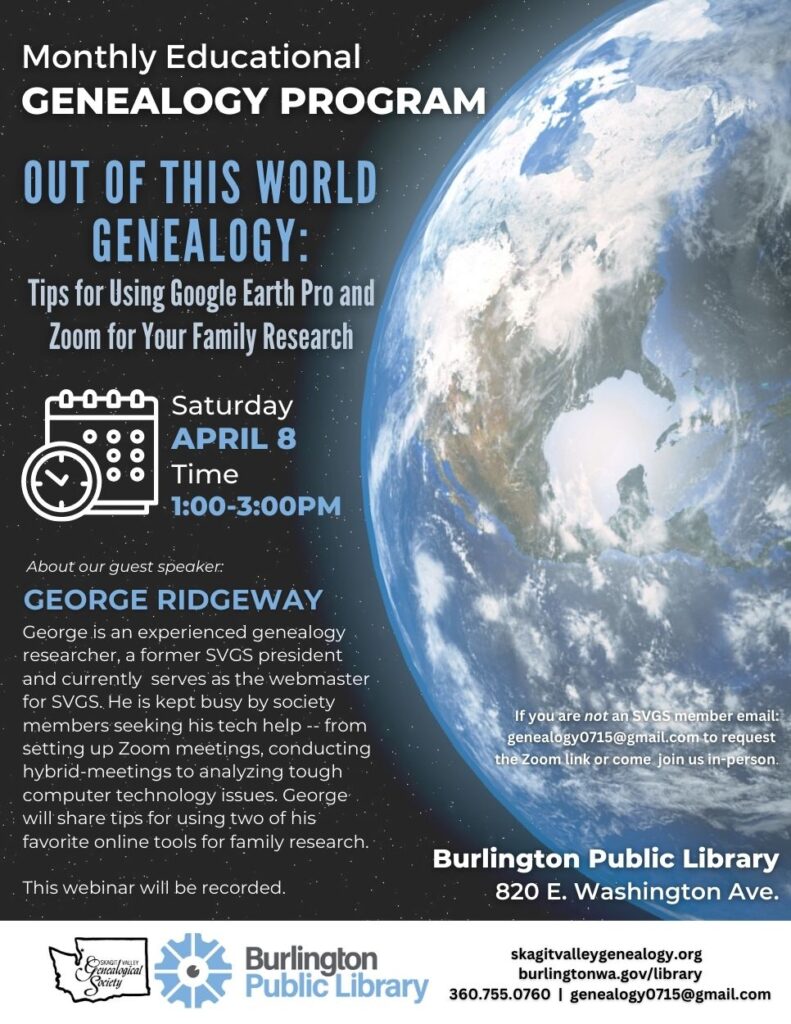
Next, and almost as exciting as a gamma ray burst is
SVGS’ monthly hybrid-educational-membership meeting
Saturday, April 8, 12:45pm
Stillaquamish Valley Genealogical Society
Presentation: DNA Match Overwhelm? Divide and Conquer! followed by SVGS Monthly Meeting
(The presentation and meeting this month will not be available via Zoom but we would love to see you in person at the library.)
Tuesday, April 11th
1:00 pm – SVGS Library 6111 188 PL NE, Arlington, WA
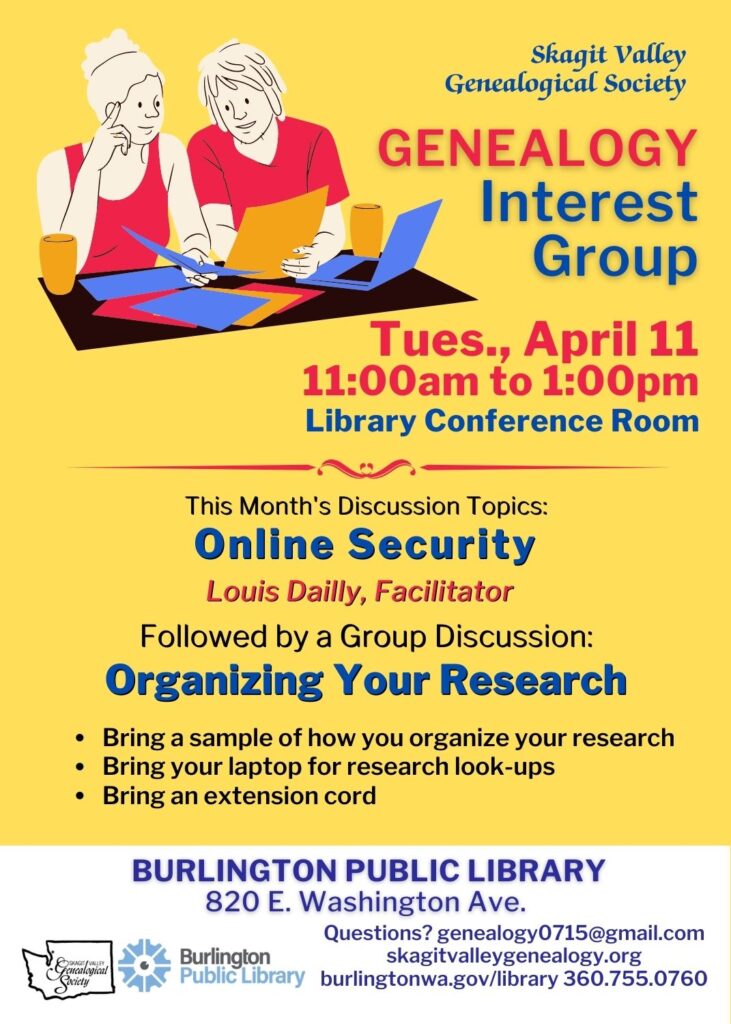
SVGS member Sue McNeil will be speaking in-person at our April 11th meeting. Our business meeting will follow the presentation.
Sue’s topic: DNA Match Overwhelm? Divide and Conquer!
Do you have thousands of DNA matches and do not know where to begin? Do you have a 3rd great-grandparent or closer you are struggling to identify? Do you have a known DNA match? Come find out how one or more known people on your match list and some colored dots can you help you begin to make sense of those matches.
Visit our website at www.stillygen.org

TIP OF THE WEEK –
THESE MAY INTEREST YOU
(PUN INTENDED)
The Eastern Washington Genealogical Society (EWGS) has a couple of special interest groups that should be of interest to a great number of people. These groups are for two icons of the genealogy world, Ancestry.com which obviously needs no introduction, and RootsMagic, a popular software program.
The Ancestry User Group meets on the 2nd Thursday of most months from 1:00 pm – 3:00 pm Pacific Time. It is a hybrid meeting; meaning you may attend in person or attend online, your choice.
The RootsMagic User Group meets the 3rd Monday of most months online via Zoom. Meeting time is 5:30 pm – 7:30 pm Pacific time.
You do not have to be a member of EWGS to attend these user groups. For more information and instructions for joining these interest groups, go to their website and as you scroll down you will see on the left a link to “Spec. Interest Groups”. Click that. Get to the EWGS website using the link below:

NEW AT THE SGS LIBRARY!
Beginning on April 1, 2023, a new subscription service, http:// historygeo.com, will be available at the SGS Library. This website is an online version of the Family Maps and Texas Land Survey Maps book series. Instead of looking at landowner maps township by township, you’ll have a single, interactive map containing over 12.3 million landowners among 30 states (all 29 of the public land states, plus Texas). A single click of a parcel of land will link to both Google maps and patents’ source documents at the Bureau of Land Management or Texas General Land Office. Also included is a collection of approximately 4000 maps from various sources showing landowners at a particular point in time. Sometime in April 2023, SGS will offer a class on how to use this website. Watch for it.
CONGRATULATIONS TO
CAROLYN LADD, JD, CG
Carolyn Ladd, JD, CG is the most recent SGS genealogist to receive the credential of Certified Genealogist, an achievement indicative of the attainment of the highest of standards associated with the field of genealogy. She joins other SGS members Trish Nicola, Carol Jenner, Jill Morelli and Stephanie O’Connell in the attainment of that goal. Carolyn, like Stephanie, is a graduate of the SGS online Certification Discussion Group, which since 2017 has instructed over 600 genealogists in strategies, tips and techniques for a successful portfolio, a prerequisite for attainment of the credential. We wish her a great genealogical journey!
If you want to know more about attaining the credential, go to https://bcgcertification.org. If you want to know more about the course, and perhaps sign up for the Fall 2023 course, go to https://theCDGseries.wordpress.com.

100 years ago: 26 March 1923
“Alice Gentle Laughs Over School Days” celebrates home town Opera singer Alice Gentle’s return to her Seattle and recounted recollections of old school times. The article noted that on the operatic stage she is “notably the lead of “Carmen”, “La Tosera”, “La Navarraise” and “Le Chemineau.” The article further explained that she was singing in “La Tosca” …with the San Carlo Opera
Company at the Metropolitan Theatre” and would appear at the Opera Comique in Paris
during the coming winter season.
“Alice Gentle Laughs Over School Days,”
Seattle Post-Intelligencer, 26 March 1923, p3 col 2.
* Watch each eNews! issue for “100 years ago”, our new anecdotal series. We will be running it for the duration of 2023, our centennial year.
SAVE THE DATE
Jewish Genealogical Society of Washington State,
usually 2nd Monday meetings
usually 6:30 PM – 8:00 PM Pacific Time
JGSWS meets on the second Monday of each month, from Sept-June. Doors open at 6:30 PM unless noted otherwise. The next meetinnalg is April 10, 2023, and the program is “Grandma Said What? Gathering and Verifying Your Family’s Oral History” with Sara Cochran. Program starts at 7:00 pm.
http://www.jgsws.org/meetings.php
Eastside Genealogical Society,
Bellevue Regional Library,
Bellevue, WA
Thursday, April 13, 2023
7:00 PM
Gregory D Luce of The Adoptee Rights Law Center PLLC will be giving this meeting’s lecture on “The Intersection of Adoptee Rights and Genealogy: Where, How and If You Can Get Your Records”. An adoptee himself, Gregory is also the executive director of Adoptees United Inc., a national nonprofit organization dedicated to equality for all adopted people.
This is a virtual meeting via Zoom. For additional info visit the EGS website and check their calendar:
https://eastsidegenealogicalsociety.org/
International German Genealogy Partnership 2023 Conference,
June 9-11, 2023
Fort Wayne, Indiana
This is a conference not to be missed by anyone doing German genealogy research anywhere in the world. Attend in person or online. For more info and registration visit:
https://iggp.org
SGS CALENDAR OF EVENTS
Good Shepherd Center, Suite 302
4649 Sunnyside Ave N
Seattle, WA 98103
206 522-8658
New Hours : Tuesday, Wednesday, Thursday, Friday, Saturday
10:00 am – 3:00 pm ** Please call ahead to make sure our library will be open. We are short on front desk volunteers. *** The elevator in the Good Shepherd Center will be out of service for the next several weeks.
Masks are recommended inside the Good Shepherd Center. Due to COVID the events listed below continue to be virtual, online via Zoom. Always check the SGS Website Calendar of Events for the meeting links, registration, or for last minute updates or changes to the schedule. Be advised you may need to register in advance to join a meeting.
NOTICE: SGS has imposed more security on our Zoom meetings. Some meetings will begin with a waiting room. The host must take action to let people into each meeting. The host will try to open the waiting room about 10 minutes ahead of time. Please be patient.
All times listed are Pacific Time unless otherwise noted
Saturday, April 1, 2023, 10:15 am- 12:15 pm, FamilySearch SIG, with Lou Daly. Discover many ways to use the FamilySearch website in your research. Meeting includes instruction and time for Q&A. Email Lou to get on the email list: loudaly@nwlink.com
Sunday, April 2, 2023, 1:00 pm-3:00 pm, DNA Workshop, with Cary Bright and Craig Gowens. To participate you need to be on the SGS DNA Interest Group email list. Contact Cary Bright at SGSDNASIG@gmail.com to join.
Monday, April 3, 2023, 10:00 am-11:30 am, Brags & Bricks Social Interest Group (Virtual), Join us for an informal social gathering. Share your recent genealogical successes and challenges, or just come to hang out with other genealogists.
Saturday, April 8, 2023, 1:00 pm-2:30 pm, Second Saturday: Western Overland Trails, with Steven W Morrison, Following the Seven T’s. Please register in advance.
Monday, April 10, 2023, 10:00 am-11:30 am, Brags & Bricks Social Interest Group (Virtual), Join us for an informal social gathering. Share your recent genealogical successes and challenges, or just come to hang out with other genealogists.
Monday, April 10, 2023, 1:00 pm-3:00 pm, Board of Directors Meeting at SGS (Virtual), All SGS members are welcome to attend. Remember SGS has several board positions open. We need to fill them. Maybe you have the skills and time.
Monday, April 10, 2023, 7:00 pm – 8:30 pm, Write It Up! SIG (Virtual), Join this group to share and discuss writing projects, resources, and ideas. To join or learn more, contact Alaine Keisling at keisling@gmail.com
Tuesday, April 11, 2023, 10:00 am-11:00 am, Tech Tuesday (Virtual), informal consultation time on DNA, genealogy software, or genealogy-related technical issues. All are welcome. No appointment necessary. Bring us your problem; we’ll try to help.
Saturday, April 15, 2023, 10:00 am- 12:00 pm, IRISH SIG, with Susan McKee and Jim Ryan. See the SGS website Calendar of Events for further information. Notice there is a new Zoom link.
Saturday, April 15, 2023, 1:00 pm- 3:00 pm, German SIG, with Carolyn Schott See the SGS website Calendar of Events for further information. Notice there is a new Zoom link.
Monday, April 17, 2023, 10:00 am-11:30 am, Brags & Bricks Social Interest Group (Virtual), Join us for an informal social gathering. Share your recent genealogical successes and challenges, or just come to hang out with other genealogists.
Friday, April 21, 2023, 10:30 am-12:30 pm, Family Tree Maker SIG, the FTM by Software MacKiev user’s group meets via Zoom on the 3rd Friday of each month. If you would like to attend and are not on the SIG e-mail distribution list, please send an e-mail to egsgenealogyhelper@yahoo.com no later than Thursday, April 20th to request the meeting ld.
Monday, April 24, 2023, 10:00 am-11:30 am, Brags & Bricks Social Interest Group (Virtual), Join us for an informal social gathering. Share your recent genealogical successes and challenges, or just come to hang out with other genealogists.
Tuesday, April 25, 2023, 10:00 am-11:00 am, Tech Tuesday (Virtual), informal consultation time on DNA, genealogy software, or genealogy-related technical issues. All are welcome. No appointment necessary. Bring us your problem; we’ll try to help.
Saturday, April 29, 2023, 10:00 am-12:30 pm, DNA SIG, with Cary Bright and Craig Gowens. To participate you need to be on the SGS DNA Interest Group email list. Contact Cary Bright at SGSDNASIG@gmail.com to join.
Since 2003, the Washington State Genealogical Society has recognized over 600 outstanding volunteers and teams, nominated by their local society or genealogical organization for their service and dedication. These volunteers are the backbone of their local society, giving their time and expertise, to the organization and the field of genealogy. In the coming months, you will be introduced to each of the 2022 award recipients and learn why they received the 2022 WSGS Outstanding Volunteer and Team Award.
Today we’re introducing the SVGS Zoom Team that was nominated by the Stillaguamish Valley Genealogical Society (SVGS). The team was comprised of Karen Looney, Susanne Brown, Dana Carney, Flynn Kennedy and Pam Shoberg.
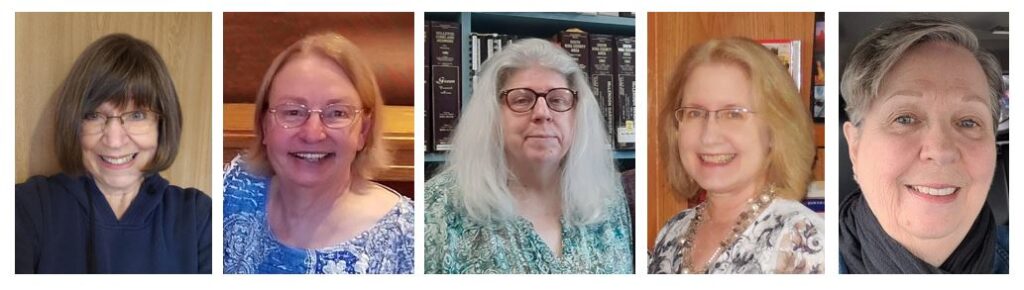
The Zoom Team began in 2020 after COVID brought a halt to SVGS’s “in person” meetings at their library. Pam Shoberg set up the Zoom account and created and hosted their initial weekly Thursday morning special interest group meetings.
Shortly thereafter, the society began providing presentations and resumed their “new normal” Zoom monthly general and board meetings. To date, these monthly meetings are hybrid meetings provided on Zoom with an option to attend in person and are hosted by education chair Dana Carney.
In 2020, Karen Looney and Flynn Kennedy began co-hosting the Thursday meetings. Later, Susanne Brown stepped in to co-host with Karen.
For more information on the WSGS Outstanding Volunteer Award program, visit the Recognition page of the WSGS website or contact Info@wasgs.org. Please type “Volunteer Award.”
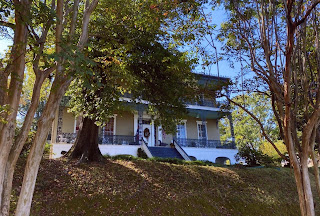
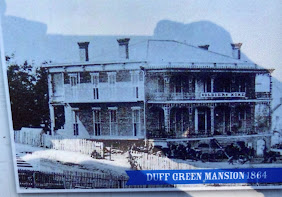
Duff Green, 1791-1875, was an American teacher, military leader, Democratic party politician, journalist, author, diplomat and industrialist…….. and he lived in Vicksburg. He made a good part of his fortune as a cotton broker. He was sympathetic to the Confederate cause but was a realist…………
I quite love to learn the story-behind-the-story, especially in American history, and the story of Duff Green’s mansion is one such story. The above photos show it as it is today and was during the Civil War.
Duff Green built his mansion in 1856 high on a bluff using skilled enslaved labor and bricks that were fired onsite. The grand home survived the Siege of Vicksburg because Green designated it a “hospital” where both Confederate and Union soldiers were treated.


Our tour guide in this mansion was the current owner and her love of this old house was evident. This red-walled photo was of the dining room where dinner was a 6-13 course affair with “libations” served with each course. After dinner there would be a ball with very strict man-woman protocol. “Ladies might wear out their slippers dancing,” she said. And there is old Duff Green himself; he sired six children with two wives.
What I’d ask you to imagine here, as I did while there, is this: It’s summer and temps are nearing 100o. You’re dressed in this huge tight-busted-many-petticoats-and-skirts outfit going to dinner at the Green mansion. The windows are open (it’s HOT) and so there are bugs flying everywhere. The “necessary” (outhouse) was way out back of the house….and here you are in your voluminous garb. You must sit and smile for hours as your fellow guests chew their way through up to 13 courses with different “libations” served with each. And then you’ll dance for hours in that HOT room. No wonder they each wore gloves…… my hands would have been plenty sweaty.
Now doesn’t that just sound fun??????

WSGS is sponsoring a roundtable presentation to inform genealogists and genealogical societies about the Washington Pioneer Pursuit Contest. The contest is designed to document family histories for every man, woman and child who lived in Washington Territory on or before Statehood was declared on November 11, 1889.
If you’re interested in learning more about the contest, including what resources are available, how to complete the forms and the review process, join us. There’ll also be plenty of time to get your questions answered. There is no pre-registration. Attendance is limited to 100 participants. The roundtable will be recorded and available on the WSGS website.
Monday, April 24, 2023, 6:30 p.m.
Zoom link: https://us02web.zoom.us/j/82158112359?pwd=ZlJpak1pUjNjTDROcmFjckMxUlljdz09
Meeting ID: 821 5811 2359
Passcode: 840493
Phone: (253) 215-8782,,82158112359#,,,,*840493#
For more information, visit the Pioneer Pursuit webpage or email Info@wasgs.org.
Since 2003, the Washington State Genealogical Society has recognized over 600 outstanding volunteers and teams, nominated by their local society or genealogical organization for their service and dedication. These volunteers are the backbone of their local society, giving their time and expertise, to the organization and the field of genealogy. In the coming weeks, you will be introduced to each of the 2022 award recipients and learn why they received the 2022 WSGS Outstanding Volunteer and Team Award.
Today we’re introducing Janet Stroebel of Indianapolis, Indiana, who was nominated by the Eastside Genealogical Society.
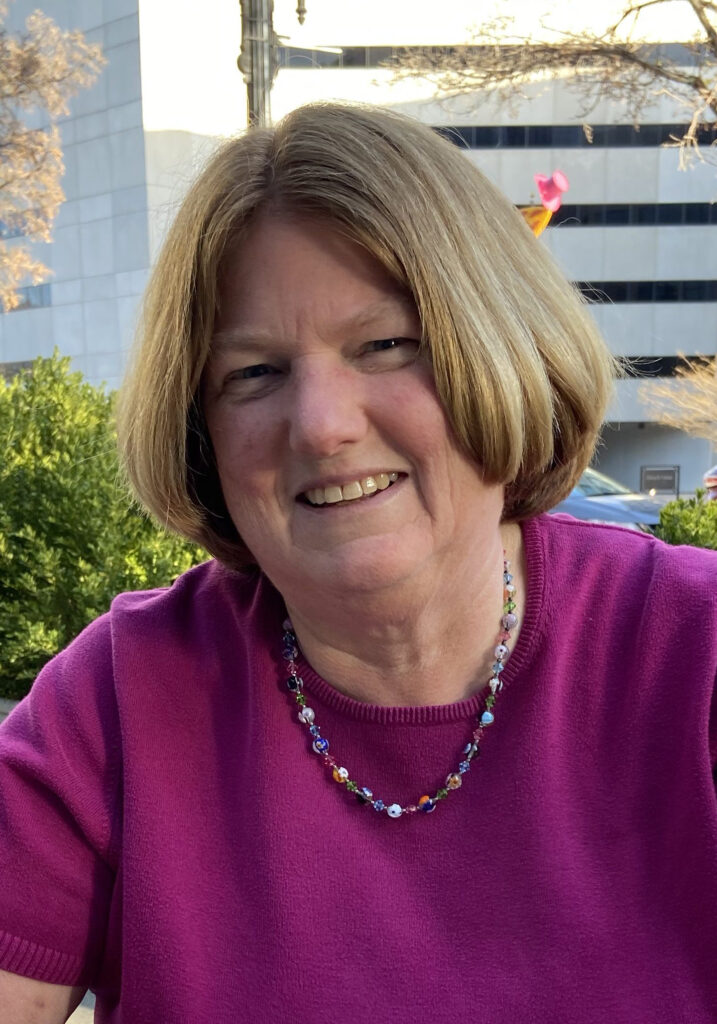
Janet joined EGS in 2013 and has quietly but strongly supported the society from day one. Being an organized, detail-oriented person (which makes her a great researcher in the genealogical field), Janet has stepped up to help the organization grow and diversify. She has served on the EGS board both as the secretary and the treasurer, thus making her part of the idea sharing, planning, and expanding reach of EGS.
Often behind the scenes, Janet sees needs and acts on them. When the leader of the Family Tree Maker SIG moved from the area, Janet accepted leadership of the group. As the society’s help desk efforts often included questions on using Ancestry, Janet volunteered to host a Q&A Ancestry help session monthly at the public library. As COVID restricted activities, Janet went online with her Ancestry help desk activities.
Bringing EGS forward into the social media world, Janet established their Facebook group and acted as its administrator. Again, without fanfare, she moderated the Facebook page, posted announcements, and shared information. In so many ways, from supporting the computer SIG, to being the NGS representative for EGS, to amending the bylaws to conform to recent changes in the state law governing non-profit organizations, Janet has helped EGS grow and embrace change. She has been an outstanding example to all.
For more information on the WSGS Outstanding Volunteer Award program, visit the Recognition page of the WSGS website or contact Info@wasgs.org. Please type “Volunteer Award” in the subject line.

Tacoma Pierce County Genealogical Society
Legacy Family Tree SIG Meeting April 4th, 2023, 7:00 pm
This week we will be changing things up a bit, instead of watching videos we will be reviewing Legacy’s reports and how we can run reports on individual branches in our family file to share with family members.
We hope to see you this coming Tuesday, April 4th!
Our meetings are held on the 1st Tuesday of each month from 7:00 pm until 8:30. The link to the reoccurring Zoom Meeting is located at the bottom of this page.
The first half of each meeting we will work thru training videos, watching, and then pausing to talk about the section we just watched before moving on to the next section. The second half will be used for open discussion of topics related to using Legacy. This could include any questions or problems we are having with the program or tips and features we have discovered. If you think of something you would like to bring up, please write it down so you can share it with the group.
Topic: TPCGS Legacy Special Interest Group 1st Tuesday
Time: Apr 4, 2023 07:00 PM Pacific Time (US and Canada)
Every month on the First Tue, until Dec 3, 2024, 21 occurrence(s)
Please download and import the following iCalendar (.ics) files to your calendar system.
Join Zoom Meeting
https://us02web.zoom.us/j/82495661568?pwd=dy85YmluVzF5aEU4SzFTcTUrVDlTUT09
Meeting ID: 824 9566 1568
Passcode: 715731
One tap mobile
+12532050468,,82495661568#,,,,*715731# US
+12532158782,,82495661568#,,,,*715731# US (Tacoma)
Dial by your location
+1 253 205 0468 US
+1 253 215 8782 US (Tacoma)
Meeting ID: 824 9566 1568
Passcode: 715731Find your local number: https://us02web.zoom.us/u/kcphK19I1E

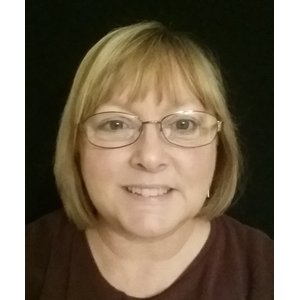
Dawn Carlile is a native Oregonian who grew up in Eugene and Springfield. She has been doing research for more than 25 years. Dawn is a professional genealogist, educator and lecturer.
CENSUS RECORDS, the Who, What, When, Where, Why and How.
The census has always been a valuable asset to genealogists and a better understanding of the who, what, when, where, why, and how can reveal more about your ancestors. Learn why we have a census, what all the codes mean, the questions asked, and special instructions to the census takers for how to enter the answers.
APRIL 6, 2023
Thursday
11 AM to 12 PM
ZOOM
Sign-up & Payment:
Cost: $20 Members/ $25 Non-members
Go to hqrl.com
Click on HQRL Store and sign in as a member to get the discount.
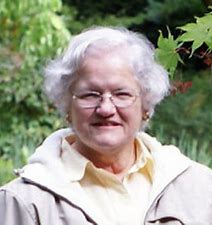
Janet O’Conor Camarata is a genealogist with over 30 years of experience. She is a seminar presenter, educator and trainer for many local genealogy societies and libraries. Janet is a past-president of SKCGS and has taught classes at Pierce College.
Using Historical Maps for Genealogical Research
Historical maps are crucial to genealogy research!
These maps allow genealogy researchers to place our ancestors in a specific location and time, understand people and the land, along with migration patterns and the community where the ancestor lived. Historical maps reduce research time.
Fortunately, many maps can be found online FREE.
April 20, 2023
Thursday
11 AM to 12 PM
Zoom
Sign-up & Payment:
Cost: $20 Members / $25 Non-members
Go to hqrl.com
Click on HQRL Store and sign in as a member to get the discount.
View this email in your browser
Facebook
Twitter
Link
Website
Copyright © 2023 Heritage Quest Research LIbrary, All rights reserved.
You have told us that you want to receive our news and updates from our library.
Our mailing address is:
Heritage Quest Research LIbrary
1007 Main St
Sumner, WA 98390-1412