Page 4 of the June 3, 1903 issue of The Spokane Press carried this article that was just too good not to share:
“No. 5, westbound, which left Pendleton Wednesday morning on time in charge of Conductor Maher, was doomed to experience a great novelty before reaching Portland, says the Pendleton East Oregonian. While counting his tickets, the train speeding along at 40 miles an hour, within 30 minutes of Portland, an elderly gentleman who proved to be a doctor informed him that a woman, Mrs. Sears of Sumpter, in the chair car, was in a delicate situation and would undoubtedly add another passenger to his list before reaching Portland.
“The conductor was horror-struck. It was too near the end of the run to allow such an annoying thing to happen. Besides, No. 5 was on time, and he would not stop and lose five minutes arguing the case with the woman for a month’s salary. He swore vengeance on Conductor Nash, who turned the woman over to him in this condition. His first thought was to ask Jim Randall, the engineer, what to do, as he always did on all previous perplexing occasions. But he happened to think that Jim was always out on the road when such things happened at home and his wife attended to them, so Jim would not know.
“He then determined to put on a bold front and ask the woman to wait till she got to Portland; she had waited this long, she could certainly put if off 25 minutes longer. While he was frantically wondering what to do, things were happening over in the chair car, and by the time he had resolved to make the best of it, a 10-pound bouncing boy had been added to his passenger list and his bosom swelled with pride to think of the good luck of the youngster who might have been born in the North Powder desert, had it not been for the fact that his train was on time.
“His feeling of enmity towards the little woman who had caused the trouble was swept away. He admire her for her judgment as she had evidently intended to reach Portland before the momentous event happened and had only missed her guess by 20 minutes, a feat which even an O.R. & N. conductor would not accomplish.”
Anybody have a Mr. Sears, born in 1903 on a railroad coach between Pendleton and Portland, Oregon on their family tree???
(Thanks to a delightful little Spokane publication, Spokane Time Traveler, for this bit.)
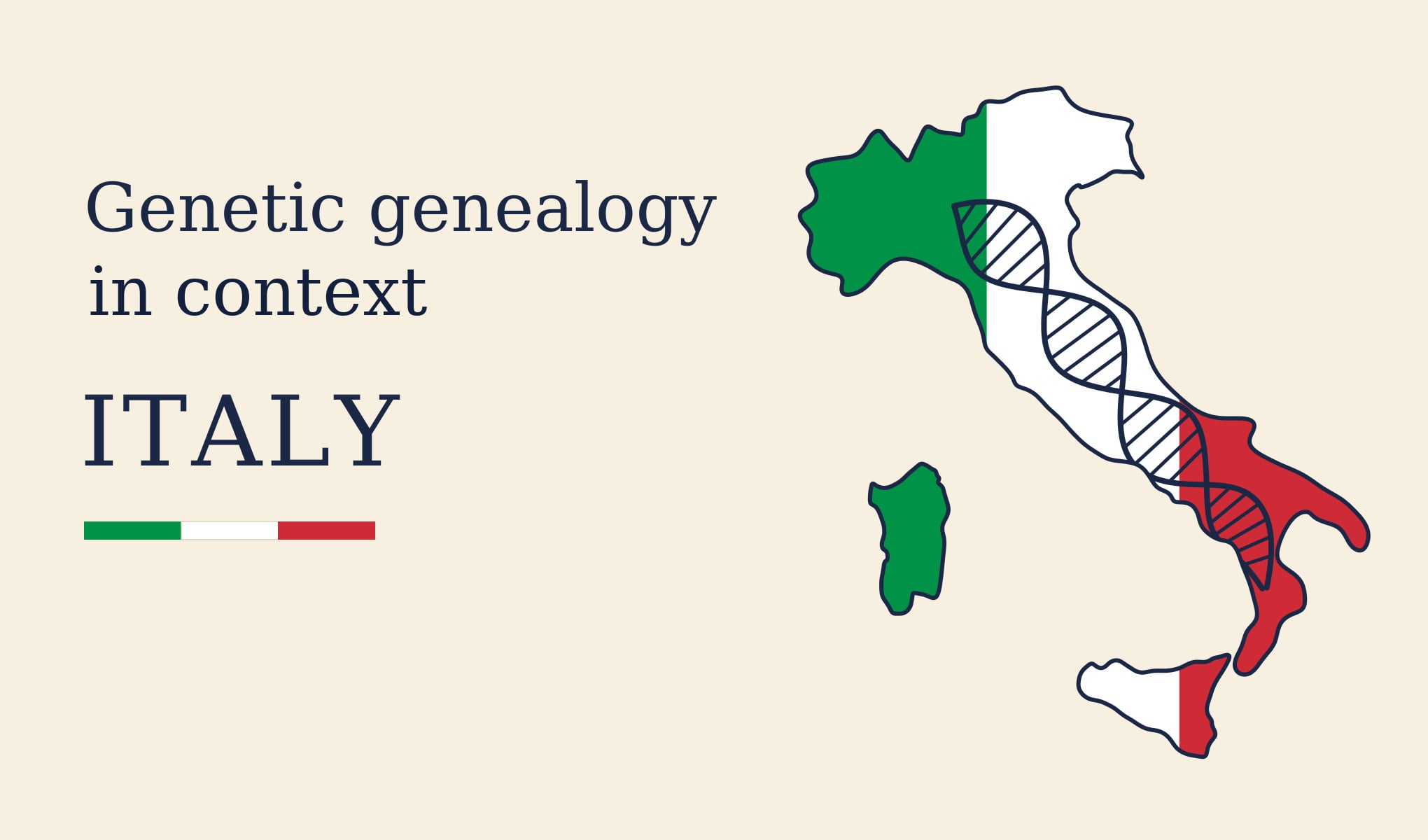
TOPIC:Genetic Genealogy in Context:ITALY PRESENTER:Paul Woodbury
Description: While the biological principles of genetic genealogy apply in all geographic contexts, the application of these principles is sometimes influenced by cultural context in different regions of the world. In this presentation learn about the basics of genetic genealogy methodologies, as well as particular considerations for pursuing genetic genealogy in Italy and the Italian diaspora. Explore considerations for endogamy, the best tests and companies for Italian populations, Y-DNA and mtDNA context for the region, and record-keeping and cultural context that can affect genetic genealogy questions.
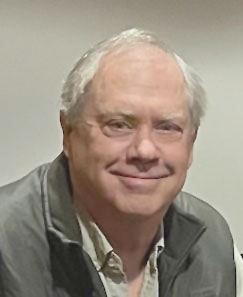
Presenter: From a young age, Paul Woodbury fell in love with genealogy research. To pursue his passion for this field, he studied genetics and family history at Brigham Young University. To aid in his desire to share his knowledge with others, he has also received a master’s degree in instructional design and educational technology from the University of Utah. Over the course of his career, Paul has solved hundreds of challenging genetic genealogy research challenges. He currently works as a senior researcher on the VIP Hosting and Research Services team at FamilySearch. In addition to genetic genealogy, Paul enjoys French, Spanish, Italian, and Scandinavian research.
COUNTDOWN TO THE MEETING:
Days Hours Minutes Seconds
Italian Interest Group (IIG) of theEastside Genealogical Society P.O. Box 374 Bellevue, WA 98009-0374
And where were you on September 15, 1983, if you were living anywhere near 4401-4th Ave So, in Seattle? Were you among the crowds on that historic opening day of the new Costco wholesale store?
The Costco Connection, July 2026, told the story titled “Golden Anniversary.” The concept of a warehouse club began in San Diego in 1954 with FedMart. In 1976, the first Price Club warehouse opened in San Diego. Partners Brotman and Sinegal pioneered a new warehouse club company in Seattle and called it Costco. By 1983, Costco and Price Club had merged and in 1997 the company became simply, Costco. Our own Evergreen State became the birthplace of the company’s iconic no-frills, membership-based warehouse model with headquarters in Issaquah, Washington.
The partners were ambitious visionaries. In direct competition from other retail competitors, Costco in 1987 opened their Optical, Bakery, Produce and Meat departments. The famous “hot dog and soda” combo debuted in 1985 and still is only $1.50.
There are now 35 Costco warehouse stores in Washington. And surely more will come. And there are 650+ stores spread all across America………….Maui or Fairbanks, Costco is the same! (Except for snow.)
Costco customers in 1983 in that first store in Seattle could choose from a nice selection of corded telephones.
Did you know that Washington State has ties to the Father of our country, George Washington?? Read on…………..
The Columbia Basin Herald, issue 12 Aug 2026, told the story: “Tucked away in a quiet neighborhood (in Ephrata, Grant County), pushed up against the Beezley Hills, guarded by a white picket fence is a piece of Americana with ties that go all the way back to the founding of this country.”
“Historic documents traced the footsteps of Bushrod Corbin Washington (1839-1909) and his family’s trek west from West Virginia. Bushrod was the great-great-great-grandson of George Washington’s brother John. History would tie two great families together on the new frontier. Bushrod’s wife Emma Edwards Willis was the great-great-great-granddaughter of James Madison, the father of the fourth president of the United States and called the Father of the Constitution by some.”
Artifacts belonging to President George Washington and his descendants, the first Washington family to move to the Evergreen state, proudly line the walls for all to enjoy in this home, now placed on the Washington State Historical Registry.
Built in 1909, by his grandfather and father, where Nathaniel “Nat” Washington, Jr., who was a Washington state legislator for 30 years ,lived. Today the home is a historic tourist destination and a small hotel run by the current owner.
Maybe plan a visit to Ephrata? Besides its natural hot springs, its history as a World War II training base and nearby access to Grand Coulee Dam, add a visit to the Nat Washington house………… come learn about Washington’s connection to Washington.
Don’t miss the opportunity to the “Make AI Your Personal Genealogy Assistant” workshop with Lisa Louise Cooke!
The free workshop, sponsored by the Washington State Genealogical Society, will be October 22, 2026, 6:30 – 7:30 p.m. Preregistration is required. The registration link is:
You are free to copy articles to any non-commercial web site or message board or printed publication you wish. Don’t bother to ask permission, just do it.








 Presenter: From a young age, Paul Woodbury fell in love with genealogy research. To pursue his passion for this field, he studied genetics and family history at Brigham Young University. To aid in his desire to share his knowledge with others, he has also received a master’s degree in instructional design and educational technology from the University of Utah. Over the course of his career, Paul has solved hundreds of challenging genetic genealogy research challenges. He currently works as a senior researcher on the VIP Hosting and Research Services team at FamilySearch. In addition to genetic genealogy, Paul enjoys French, Spanish, Italian, and Scandinavian research.
 Days Hours Minutes Seconds


