DECIPHERING FOREIGN NAMES, PLACES, AND DOCUMENTS DECIPHERING FOREIGN NAMES, PLACES, AND DOCUMENTS
Second Saturday: Feb. 14, 1:00 p.m.Researching ancestors from another country can be daunting, especially when names, locations, and records appear in an unfamiliar language. This presentation explores practical tools, strategies, and resources to break through these barriers and turn a foreign-language brick wall into a path forward.
Margaret R. Fortier focuses on immigration to New England and dual citizenship with Italy. She specializes in Italian, Portuguese, and French-Canadian research, is fluent in French, and serves on the APG board and the 2021 NERGC Program Committee. Sign Up Today!NEXT MONTH’S SECOND SATURDAY: “1926 Irish Census.” Presented by Susan McKee. Sign up separately for this event held Mar. 14. Arrive early for the membership meeting at 12:30 p.m. Only one sign up is necessary for both events.
image of letters courtesy of Ling App / Unsplash
map image courtesy David Rumsey Map Collection
Sign UpSigning up here will also get you into the March Second Saturday presentation 
image courtesy of Library of CongressSGS Journal Seeks Writers For Spring IssueThe Seattle Genealogical Society publishes a semiannual journal that is distributed through our significant membership along with fourteen different libraries. Our journal is indexed at PERSI in the Allen County Public Library, providing national recognition for authors. We would love to publish your work in our scholarly publication that documents cross-generational family research with a specific focus on families in the northwest. In anticipation of America 250 our spring theme is Westward Movement, articles should demonstrate the path families took to move westward, not necessarily all the way to the northwest. The deadline for spring article submissions is 1 March 2026. We would love to see your article in print, so submit them to journal@seagensoc.org. Please review our Writing Guidelines for more information. Additional questions can be submitted to publications@seagensoc.org.

LET’S TAKE THE TRAIN TO THE WASHINGTON STATE HISTORY MUSEUMLearn more about Washington history with us. We will visit the Washington State History Museum in Tacoma together. This day trip is on Saturday, Feb. 28, making it a good opportunity to bring family or friends!
We’ll take the Amtrak train to Tacoma and spend a day immersed in the Washington state history as well as have time to investigate the temporary exhibits.
Purchase your Amtrak train ticket on the 8:55 a.m. train from Seattle to Tacoma and the 4:45 p.m. train from Tacoma to Seattle. Cost is $12 each way.
From the Tacoma Amtrak station we will walk together 15 minutes to the museum.
You will purchase your own museum ticket for $17 (with a discount to $14 for seniors, free for their members). This can be done in advance online or at the door.
Let us know you are coming. SGS group registration $10 per person and we’ll be in touch with further details as the day draws near. For anyone who prefers to drive themself, we will have a meet-up spot at 10:30 a.m.. Let us know your preference for a sack lunch picnic or a dining out option.Sign Up for the TourItinerary
Saturday, February 28, 2026
Ride the Amtrak train with the SGS Hosts (reserve your tickets here):
– From Seattle to Tacoma depart 8:55 a.m.
– From Tacoma to Seattle depart 4:45 p.m.
or Drive to meet up with the SGS Hosts at 10:30 a.m. (directions to museum here)
train image courtesy of Stephen Mease / Unsplash
TURN YOUR RESEARCH INTO A BOOKJoin a Hands-On Self-Publishing WorkshopJoin Jill Morelli, CG, CGL, Wednesday, March 25 at 6 p.m. as she shares what she learned self-publishing Journeys of the Forgotten: The Orphans of Hamilton County, Iowa. Morelli will walk through the major steps of the process and discuss practical considerations to help genealogists move from research to a finished book.
Bring a laptop. Morelli more direct attendees in publishing a document. A document will be provided to those who don’t have something to publish. Everyone will publish something!
In person only at the SGS Library.
Limited to 25 participants
Class Fee: $30 (SGS members $25)
Any questions contact registrar@seagensoc.org.
Sign Up for the Workshop
SLOTS STILL AVAILABLE FOR GET ORGANIZED CLASSSGS’s “Organizing for Genealogy” class still has openings. This course will help
participants create a system of organization or adapt their current system to
meet their specific research needs. The class will be offered over four weeks in
February on Tuesday afternoons (4:00 to 6:00 p.m.).
Session 1: Organizing Our Self – Our thoughts, actions, time, and space Session 2: Organizing Our System – Paper systems and Digital Systems Session 3: Organizing Our Workflow – Research, Records, and Resources Session 4: Pulling it all together – Developing a tailored organization system
Online via Zoom
Limited to 20 participants
Class Fee: $100 (SGS members $80)Sign Up for the Class ANNOUNCING 2025 SGS VOLUNTEER OF FALL QUARTER Melinda McRae Developing a New SGS Website Melinda McRae Melinda McRae is SGS’s Fall 2025 Volunteer of the Quarter for SGS. Melinda is working with a small team to redevelop our SGS website, upgrading the backend and adding functionality. She has spent countless hours for more than six months to bring our website to its next generation! Melinda McRae Melinda McRae is SGS’s Fall 2025 Volunteer of the Quarter for SGS. Melinda is working with a small team to redevelop our SGS website, upgrading the backend and adding functionality. She has spent countless hours for more than six months to bring our website to its next generation!
Melinda’s background in web development and website maintenance has been a gift to SGS. She spent the last 19 years of her career at University of Washington, where she worked in at least three departments’ websites: Social Work, Global Health and Nursing. She was a member SGS 1970’s and rejoined again a few years ago. She serves as a volunteer on the committee that advises the Board about the needs in the SGS Library, as a Library Trustee. She participates in SGS field trips and SIGs.
She grew up in Burien, Washington, the daughter of a mother from Pierce County and a father from Portland, Oregon. Three of her four grandparents were immigrants. She traces her ancestry from Scotland, via Canada, and from Germany with some Swiss heritage. She is the mother of daughter who recently relocated to Washington State. Seasonally, she enjoys flower gardening.
Melinda is the author of sixteen historical romance novels published by Penguin. Her era of focus is English Regency period–early 1800’s. After she is done building the new website for SGS, she plans to bring her out-of-print novels to Kindle. She also plans to write more. Her genealogy experience helps her research for writing, and she has lectured aspiring authors on using genealogical research techniques to create characters.
What Melinda is most proud of about the new website is that it will be so much easier for both users and the volunteers who maintain it; and new research databases will be available for SGS members online from anywhere.SGS LIBRARY NEWSMore Volunteers Needed for the Drop-In Sessions at SPL Branches Based on the success of the drop-in sessions during the pilot project, the SGS Board and SPL agreed to continue the program through December 2026. Ideally, we would like at least 3 volunteers at each branch – Ballard, Magnolia and Northeast. Many of the people we’ve assisted simply want to know how to get started on their own genealogy.
Others may need help with where and how to find available resources. The 1 ½ hour sessions are held once a month and there is no long-term commitment – just whatever fits your schedule. Please consider signing up for one of the drop-in sessions so that we can continue this successful program. Email splvolunteers@seagensoc.org if you have questions or need additional information on this joint SPL/SGS program.
What Are The Image Restrictions on FamilySearchHave you ever come across this message when searching FS historical records?

Although the image isn’t available at a FS center or affiliate library, such as SGS, you may still be able to view the image through another website. Regardless of the location, the research wiki has links to the online resources for each location. When one clicks on the Online Resource button, there are links to all the available online resources whether it’s FamilySearch, Ancestry, MyHeritage, or some other genealogy website. The list will indicate whether the third-party website is free or requires a subscription. When you click on the link, it will take you to that third-party website. SGS CALENDAR OF EVENTS Good Shepherd Center, Suite 302
4649 Sunnyside Ave N
Seattle, WA 98103
206 522-8658
Hours : Tuesday, Wednesday, Thursday, Friday, and Saturday
** 10:00 a.m .- 3:00 p.m. ** Always check the SGS Website Calendar of Events for the meeting links, registration, or for last minute updates or changes to the schedule. Be advised you may need to register in advance to join a meeting. Meeting content is for personal genealogy learning and may not be recorded or transcribed. All times listed are Pacific Time unless otherwise noted
Sunday, Feb. 1, 2026, 1:00 p.m.-3:00 p.m., DNA Workshop, with Cary Bright and Craig Gowens. To participate you need to be on the SGS DNA Interest Group email list. Contact Cary Bright at sgsdnasig@seagensoc.org to join.
Monday, Feb. 2, 2026, 10:00 a.m.-11:30 a.m., Brags & Bricks Social Interest Group (Virtual), Join us for an informal social gathering. Share your recent genealogical successes and challenges, or just come to hang out with other genealogists. See SGS Calendar for more information. NOTE: New Zoom link for January – June.
Monday, Feb. 2, 2026, 7:00 p.m.-8:30 p.m., Organizing for Genealogy SIG, Share information and discuss organization tips, techniques, and habits to enhance your genealogical journey. Contact Susan McKee at sgsOrganizingsig@seagensoc.org to join.
Wednesday, Feb. 4, 2026, 6:30 p.m.-7:30 p.m., Pacific Northwest Interest Group (Virtual), Share information and discuss Pacific Northwest genealogical research. Register on the SGS website. NOTE: New Zoom link for the rest of 2026.
Thursday, Feb. 5, 2026, 6:30 p.m.-8:00 p.m., Artificial Intelligence (AI) for Genealogy SIG (Virtual), explore the intersection of artificial intelligence and genealogical research Email SGSAISIG@seagensoc.org. NOTE: New Zoom link for 2026.
Saturday, Feb. 7, 2026, 10:00 a.m.- 12:30 p.m., FamilySearch SIG, Discover the many ways to use the FamilySearch website in your research. Meeting includes instruction and time for Q&A. Email SGSFamilySearchSIG@seagensoc.org to join the mailing list. NOTE: New starting time!
Monday, Feb. 9, 2026, 10:00 a.m.-11:30 a.m., Brags & Bricks Social Interest Group (Virtual), Join us for an informal social gathering. Share your recent genealogical successes and challenges, or just come to hang out with other genealogists. See SGS Calendar for more information.
Monday, Feb. 9, 2026, 1:00 p.m.-2:30 p.m., SGS Board of Directors Meeting (Virtual), All SGS members are welcome to attend. SGS is an all volunteer organization. Please be involved. Members must sign in to website to see Zoom link.
Tuesday, Feb. 10, 2026, 10:00 a.m.-11:00 a.m., Tech Tuesday (Virtual), informal consultation time on DNA, genealogy software, or genealogy-related technical issues. All are welcome. No appointment necessary. Bring us your problem; we’ll try to help. NOTE: Zoom link alternates between 2nd and 4th Tuesday.
Tuesday, Feb. 10, 2026, 6:30 p.m.-8:00 p.m., Ancestry Users SIG (Virtual), The Ancestry Users Special Interest Group is for people who use Ancestry.com (and AncestryDNA) to research their family histories. Email SGSAncestrySIG@seagensoc.org. NOTE: New Zoom link for 2026.
Thursday, Feb. 12, 2026, 7:00 p.m.-8:30 p.m., Publishing SIG, Participate in writing and publishing the SGS Journal twice a year. Email SGSPubSIG@seagensoc.org. NOTE: New Zoom link for 2026.
Saturday, Feb. 14, 2026, 1:00 p.m-2:30 p.m., Second Saturday, “Lost in Translation: Deciphering Foreign Names, Places, & Documents” Presented by Margaret Fortier. Register here.
Monday, Feb. 16, 2026, 10:00 a.m.-11:30 a.m., Brags & Bricks Social Interest Group (Virtual), Join us for an informal social gathering. Share your recent genealogical successes and challenges, or just come to hang out with other genealogists. See SGS Calendar for more information. NOTE: New Zoom link starting this month.
Wednesday, Feb. 18, 2026, 6:00 p.m.-7:30 p.m., Transcription SIG, Want to strengthen your ability to read, transcribe, and analyze original records? This SIG is ideal for anyone looking to practice, build confidence, and sharpen their research skills in a collaborative setting. The group meets at the SGS Library. Send questions to Betsey Cotter at sgstranscription@seagensoc.org.
Wednesday, Feb. 18, 2026, 7:00 p.m.-8:30 p.m., Write It Up! SIG (Virtual), Join this group to share and discuss writing projects, resources, and ideas. To join or learn more, contact Sheyna Watkins at sgsWriteItUpSIG@seagensoc.org. NOTE: New Zoom link starting this month.
Thursday, Feb. 19, 2026, 7:00 p.m.-8:30 p.m., SGS Quarterly Program Planning (Virtual), be a part of SGS’s strategic planning effort, collaborate with the leaders of our education programs (e.g., SIGs, field trips, classes, seminars, discussion groups). Register here.
Friday, Feb. 20, 2026, 10:30 p.m.–12:30 p.m. Family Tree Maker SIG, Join Eastside Genealogical Society and SGS to learn and share tips and tricks for using Family Tree Maker by Software MacKiev. The meetings open about 15 minutes in advance. You can join and/or leave whenever you have to, and you may email your question(s) in advance or bring them up during the meeting.
Saturday, Feb. 21 2026, 10:00 a.m.-noon, Irish SIG (Virtual), with Susan McKee. Share information and discuss Irish ancestral research. View SGS calendar for details on joining this group.
Saturday, Feb. 21 2026, 1:00 p.m.-3:00 p.m, German SIG (Virtual), Share what you know OR get help with problems in your own research. Register on the SGS website.
Monday, Feb. 23, 2026, 10:00 a.m.-11:30 a.m., Brags & Bricks Social Interest Group (Virtual), Join us for an informal social gathering. Share your recent genealogical successes and challenges, or just come to hang out with other genealogists. See SGS Calendar for more information. NOTE: New Zoom link starting this month.
Tuesday, Feb. 24, 2026, 10:00 a.m.-11:00 a.m., Tech Tuesday (Virtual), informal consultation time on DNA, genealogy software, or genealogy-related technical issues. All are welcome. No appointment necessary. Bring us your problem; we’ll try to help. NOTE: Zoom link alternates between 2nd and 4th Tuesday.
Thursday, Feb. 26, 2026, 7:00 p.m.-8:30 p.m.,Eastern European SIG, Learn about researching family history from the Balkans to the Baltics and in between. For more information email sgseasterneuropesig@seagensoc.org.
Sunday, Mar. 1, 2026, 1:00 p.m.-3:00 p.m., DNA Workshop, with Cary Bright and Craig Gowens. To participate you need to be on the SGS DNA Interest Group email list. Contact Cary Bright at sgsdnasig@seagensoc.org to join.
Monday, Mar. 2, 2026, 10:00 a.m.-11:30 a.m., Brags & Bricks Social Interest Group (Virtual), Join us for an informal social gathering. Share your recent genealogical successes and challenges, or just come to hang out with other genealogists. See SGS Calendar for more information. NOTE: New Zoom link for January – June.
Monday, Mar. 2, 2026, 7:00 p.m.-8:30 p.m., Organizing for Genealogy SIG, Share information and discuss organization tips, techniques, and habits to enhance your genealogical journey. Contact Susan McKee at sgsOrganizingsig@seagensoc.org to join.
Wednesday, Mar. 4, 2026, 6:30 p.m.-7:30 p.m., Pacific Northwest Interest Group (Virtual), Share information and discuss Pacific Northwest genealogical research. Register on the SGS website. NOTE: New Zoom link for the rest of 2026.
Thursday, Mar. 5, 2026, 6:30 p.m.-8:00 p.m., Artificial Intelligence (AI) for Genealogy SIG (Virtual), explore the intersection of artificial intelligence and genealogical research Email SGSAISIG@seagensoc.org. NOTE: New Zoom link for 2026.
Saturday, Mar. 7, 2026, 10:00 a.m.- 12:30 p.m., FamilySearch SIG, Discover the many ways to use the FamilySearch website in your research. Meeting includes instruction and time for Q&A. Email SGSFamilySearchSIG@seagensoc.org to join the mailing list. NOTE: New starting time!
Monday, Mar. 9, 2026, 10:00 a.m.-11:30 a.m., Brags & Bricks Social Interest Group (Virtual), Join us for an informal social gathering. Share your recent genealogical successes and challenges, or just come to hang out with other genealogists. See SGS Calendar for more information.
Monday, Mar. 9, 2026, 1:00 p.m.-2:30 p.m., SGS Board of Directors Meeting (Virtual), All SGS members are welcome to attend. SGS is an all volunteer organization. Please be involved. Members must sign in to website to see Zoom link.
Tuesday, Mar. 10, 2026, 10:00 a.m.-11:00 a.m., Tech Tuesday (Virtual), informal consultation time on DNA, genealogy software, or genealogy-related technical issues. All are welcome. No appointment necessary. Bring us your problem; we’ll try to help. NOTE: Zoom link alternates between 2nd and 4th Tuesday.
Tuesday, Mar. 10, 2026, 6:30 p.m.-8:00 p.m., Ancestry Users SIG (Virtual), The Ancestry Users Special Interest Group is for people who use Ancestry.com (and AncestryDNA) to research their family histories. Email SGSAncestrySIG@seagensoc.org. NOTE: New Zoom link for 2026.
Wednesday, Mar. 11, 2025, 7:00 p.m.-9:00 p.m., MAC Computer SIG, Jointly sponsored by SGS and Fiske. Meetings address topics and resources for Macintosh (Apple) computers and the Reunion genealogy software program. A link to login will be sent to the MAC SIG email list. If you would like to join, send an email to macusersig@seagensoc.org to be added to the email list.
Thursday, Mar. 12, 2026, 7:00 p.m.-8:30 p.m., Publishing SIG, Participate in writing and publishing the SGS Journal twice a year. Email SGSPubSIG@seagensoc.org. NOTE: New Zoom link for 2026.Saturday, Mar. 14, 2026, 12:30 p.m-1:00 p.m., General Membership Meeting, Update on SGS activities and slate of board candidates for upcoming election. The meeting will be followed by a Second Saturday presentation. (See below.). Register here. Only one registration is needed for both the membership meeting and the Second Saturday presentation.
Saturday, Mar. 14, 2026, 1:00 p.m-2:30 p.m., Second Saturday, “1926 Irish Census.” Presented by Susan McKee. Register here. OUR NEIGHBORS AND BEYOND “Finding Females in Naturalization Records, 1790-1952,” with Nancy LoeEastside Genealogical Society
Thursday, Feb. 12, 7:00 p.m. (virtual) (Zoom open at 6:30 p.m.)
Female ancestors — both foreign-born and birthright — gained, lost, or regained citizenship in the United States between 1790 and 1952. US citizenship and attendant rights for women could be fragile, depending on marital status, prevailing laws, social norms, and other shifting factors. Examples of US naturalization and citizenship records, and search strategies for finding these records are featured in this presentation. Learn more and register.GRIP Registration for 2026 Opens
Genealogical Research Institute of Pittsburgh
Tuesday, Feb. 3
This year the GRIP offers two sessions of classes: June 22-26, 2026, on Zoom and July 12-17, 2026, in-person! Learn more and here.“Decoding Your Ancestors: The Tech Edition” with Cyndi Ingle Olympia Genealogical Society
Saturday, Feb. 7, 8:50 a.m. — 2:30 p.m. (virtual)
Four one-hour presentations focused on technology tools for genealogy. Learn more and register.“Family Tree Maker’s New Tools for Collaborative Family History” with Duff WilsonJewish Genealogical Society of Washington State
Monday, Feb. 9, 7:00 p.m. (virtual) (Zoom open at 6:30 p.m.)
Explore how Family Tree Maker 2024—together with its TreeVault® Cloud Services—can become the central hub of a truly collaborative family history experience. You’ll see how to share your tree in ways that are secure, effortless, and engaging, inviting your relatives to participate with you in building your family story. Learn more and register.Lower Columbia Genealogical Society
Various Fridays, 9:45 a.m. (virtual)
February 13: The 1890 Census
Speaker: Sara Cochran
March 13: Your Ancestor’s Occupation: Exploring the 1821 Irish Census.
Speaker: Steven Morrison
April 10: Jumping the Pond: Connecting Immigrants to Their Homeland.
Speaker: Mary Kircher Roddy
Learn more and register here.
RootsTech 2026
Thursday, Mar. 5 – Saturday, Mar. 7 (virtual)
A family history conference. An on-demand learning library. A way to grow closer to the people, places, and stories that matter most. RootsTech is all that and so much more. Join us as we celebrate together the joy of connection. Get more information.
TIPS OF THE WEEK –
BE S.M.A.R.T. ABOUT RESEARCH
bethsteury@gmail.com | www.bethsteury.com
By Beth Steury
My part of the world is especially dreary in January and February creating the perfect time to delve deeply into all things relating to family history. Truth is, I rarely/never need incentive to peruse old family photos, dive into archived documents and records and memorabilia, OR pore over DNA results. Still, the arrival of a new year encourages me to reflect upon my genealogy agenda for 2026. Because I know that the more intentional the researching/digging/detecting/piecing together of clues, the more effective and successful said researching will be. And intentional pursuits require targets and objectives and strategies. You know, goals.
Whether you’re the “must set goals” type or a soul who flees from the very notion, the flip of the calendar can—if you allow it—create an urge to consider your genealogically-inclined pursuits.
SO, let’s look at how to be genealogically intentional in 2026. Begin with a mental review of 2025. Consider both PURSUITS—the goals you worked toward and activities you engaged in sans goals—and ACCOMPLISHMENTS—goals achieved, tasks completed, mysteries solved. Next, accept that facts are facts. Whether this review reveals an awesome A+ and you’re now doing a happy dance OR you’re staring at a dismal F and hanging your head in shame, it is what it is. Celebrate where appropriate, for sure, but choose not to sweat what didn’t get done. Consider that reflection’s purpose is to inform future progress, NOT to create a pit in which to wallow sorrowfully. Then, acknowledge that only YOU know if targets for 2026 should extend what took place, or failed to take place, in 2025. Maybe, yes. Maybe, no. It’s a different year, one that likely finds you in a different place, either in minor or major ways.
Now, on to the agenda for 2026. The S.M.A.R.T. goal-setting model offers a simple, practical approach for genealogy enthusiasts to strategize effective goals. Even for folks who shy away from the notion of goals. I promise.
SPECIFIC
Generic objectives such as “research more” aren’t specific enough to be effective. But “research Grandpa Mullins parents” directs a specific course of action.
MEASURABLE
Hone the specific goal into something tangible. Such as, challenge yourself to find confirmation of Grandpa Mullins parents’ names, children’s names, birth and marriage dates. OR, record all info you can gather in an hour/afternoon/day of focused online research.
ACHIEVABLE
Think realistic, based on your available time and resources. If an hour of research fits into your schedule while an afternoon would strain your calendar and a day would leave you stressed out about what else wasn’t getting done, then an hour it is.
RELEVANT
What person/question/mystery interests you most? Did Grandma have a husband before Grandpa as has been rumored for decades? What challenges split your maternal relatives when they set out for the Missouri Territory? The thing you most want to know—that’s where you begin in 2026.
TIME-BASED
Time and again it’s been proven that deadlines work. An expressed timeline produces a sense of urgency that encourages structure which boosts focus and . . . voilà! You’re on the road to goal-completion success when your S.M.A.R.T. goals include a timeline.
If you’ve not tested your DNA, consider joining the 50 million people who’ve completed a DNA test. A wealth of information, answers, and potential connections are waiting to be discovered in the details of your DNA results.
Join SGS Today* to renew your membership: log in on the Members Home page
and click the green renew membership button.
DONATE TO SGS Your donations represent a significant part of the SGS budget. Your continued generosity helps us increase our financial security and expand our services for everyone. We make it easy for you to contribute appreciated stock from your portfolio. We have a brokerage account established and ready to receive your donation from any firm. For details, write treasurer@seagensoc.org. For questions about our needs and our vision, write president@seagensoc.org.
February 1, 2026
SGS eNews! comes out the first of every month. contact eNews!
forward this email to a friend |


 February Happenings 2026
  No matter how much you already know about your heritage there is always more you can learn General Membership Meeting Jan 17, 2026
 MANAGEMENT TEAM OPPORTUNITIES Management Team Secretary Bookstore Manager Newsletter Editor Information Tech (IT) Unique Creative Opportunity HQRL Needs Your Skills: Volunteer Today! The HQRL Management Team is looking for an individual to produce a YouTube video featuring HQRL! We need an experienced, enthusiastic, talented individual to lead on content, presentation, filming, and editing. Have a great idea? Want to showcase your skills? Please reach out to the Management Team to get involved. Let’s do this!!!
 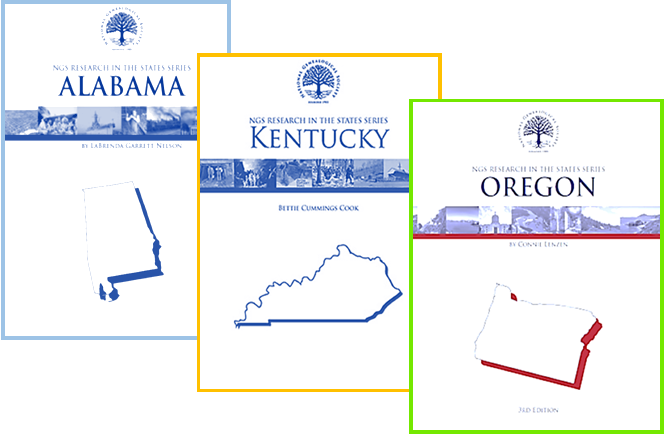 FEBRUARY BOOKSTORE SPECIALS